
The Shipping Line Skipping the Joint Survey. Here’s What to Do.

5 Things to Include on That Claim Breakdown
June 19, 2026
Who Really Pays for Damaged Cargo Under CIF
July 17, 2026
Let’s walk through a scenario that plays out more often than most shippers realize.
A container arrives. The cargo is damaged. You do exactly what you’re supposed to do — you invite the shipping line to a joint survey.
Then you wait. Weeks go by. Finally, a reply lands in your inbox: “We will not attend.”
And it doesn’t stop there. A follow-up email arrives right behind it: “You had a duty to mitigate your loss.” Claim rejected.
Here’s the part nobody tells you
For a lot of claims under USD 15,000, carriers simply don’t send a surveyor. Not because the damage isn’t real. Because it’s cheaper for them not to show up.
Appointing a surveyor costs money and time. Declining the invitation costs them nothing — and it often kills the claim outright, because the shipper is left standing there with no joint survey, no counter-evidence, and no idea what to do next.
So unless you’re shipping genuinely high-value cargo, stop waiting for the carrier to attend. They may never show up, and every day you spend waiting is a day working against you, not for you.
What to actually do instead
First, send one email. Keep it simple:
“We hold you liable for the damage. Please confirm within 24 hours whether you wish to attend a joint survey.”
Then move. Don’t wait for a reply before you act — the 24-hour window is a courtesy, not a pause button on your own responsibilities.
While you wait for that window to close, here’s what you should already be doing:
- Appoint your own surveyor, or conduct a documented in-house survey.
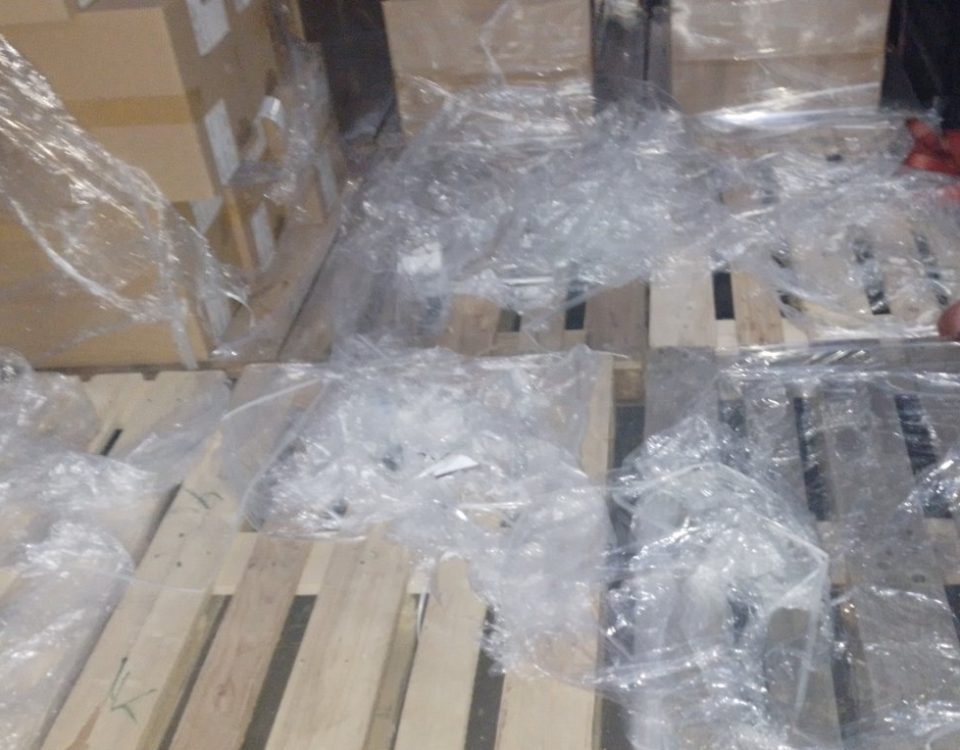
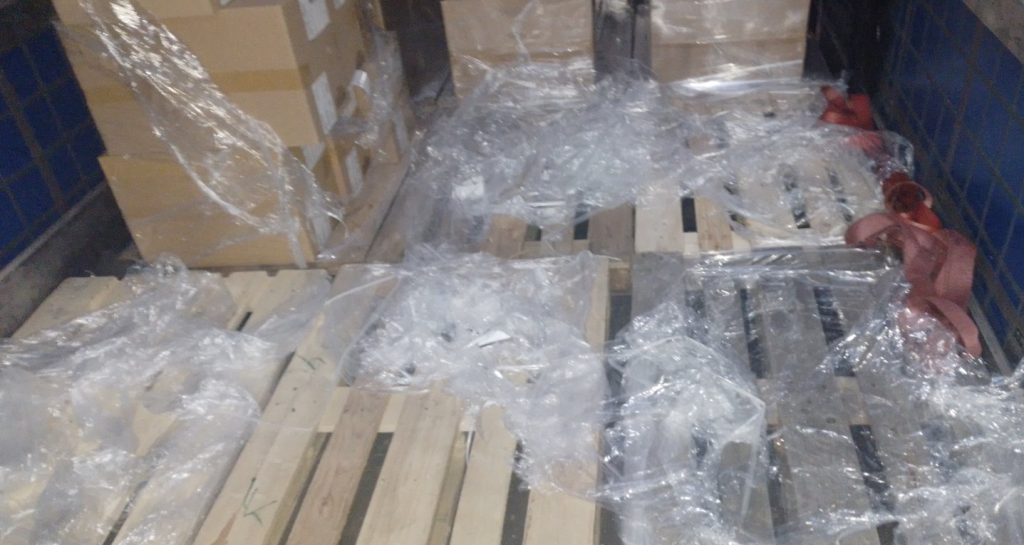
- Photograph the cargo and the container — every angle, every visible defect.
- Return the empty container so demurrage and detention don’t quietly stack up on top of your losses.
- Salvage, repack, or destroy the cargo as needed, documenting every single step along the way.
Why this matters
Mitigation isn’t a legal formality. It’s the difference between a claim that gets paid and one that gets rejected on a technicality.
Carriers know that a shipper who “waited to hear back” before acting looks passive on paper — and passive shippers make it easy to argue the loss could have been reduced, or avoided altogether, if someone had just moved faster.
The strongest cargo claims aren’t built on how patiently you waited for a response. They’re built on evidence — timestamped photos, surveyor reports, records of every mitigating step you took the moment damage was discovered.
If a carrier has gone silent on your joint survey request, don’t take it as a dead end. Take it as your cue to start building the case yourself.