
5 Things to Include on That Claim Breakdown

How 2 Free Days Became 2 Weeks of Demurrage Charges
June 12, 2026
The Shipping Line Skipping the Joint Survey. Here’s What to Do.
July 10, 2026
Your cargo is more than goods—it’s your business, your effort, and your profits.
Every shipment that leaves your hands carries with it weeks—sometimes months—of hard work, careful planning, and real money on the line. So when it arrives damaged, the impact goes far beyond the physical loss.
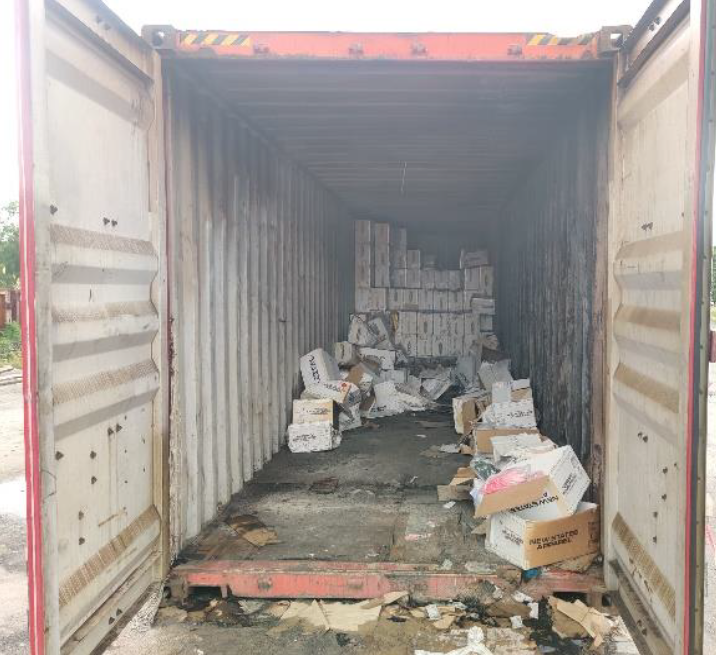
The frequency of cargo damages in transit is increasing by the minute. What was once considered an occasional setback has become an unsettling pattern. Whether it’s water damage, improper handling, or cargo contamination, the incidents are piling up—and so are the consequences for exporters and importers worldwide.
Not only do exporters lose profits, but now you’re facing a mountain of unexpected expenses. The frustration is real.
You planned for the shipment. You didn’t plan for the aftermath—the phone calls, the disputes, the replacement costs, the delays, and the damage to your client relationships. That kind of loss doesn’t show up neatly on an invoice, but it hits just as hard.
Many shippers simply absorb the loss, assuming there’s little they can do once the damage is done. But the reality is that maritime law and the terms of your bill of lading give you more leverage than you might think—if you know how to use them.
So let’s talk about it beyond the obvious: What can you claim from the shipping line?
When your cargo arrives damaged, it’s not just about the lost goods. You can also claim the following:
Cargo Compensation
Recovering the CIF value of the damaged goods. This covers the cost of the goods themselves, the insurance, and the freight—the full commercial value of what was entrusted to the carrier. It forms the baseline of any legitimate cargo claim.
Freight Costs
Recouping the expenses incurred for shipping the damaged cargo. You paid to have your goods delivered in good condition. When they aren’t, you’re entitled to reclaim those shipping costs. Why should you bear the expense of a service that wasn’t properly fulfilled?
Insurance Premiums
Claiming for any additional insurance costs, but subject to limitations. If the damage triggered additional insurance coverage or required you to file a policy claim, those premium costs may be recoverable depending on your policy terms and applicable conventions.
Loss Mitigation Costs
Expenses incurred to minimize the damage, such as refumigation and repacking costs. Taking steps to save your cargo? That initiative shouldn’t come at your expense. Costs like refumigation, repacking, or emergency storage incurred to reduce further loss are claimable—and often overlooked.
Loss of Profit
In certain cases, you may be eligible to claim lost profits due to the damage or excessive delay. Perhaps you had a buyer waiting. Perhaps a delayed shipment cost you a contract. When damages lead to a direct and demonstrable loss of business income, that lost profit isn’t simply gone—it can be part of your claim.
With every damaged shipment, you’re entitled to more than just an apology. The shipping line has obligations, and so do you: to know your rights and act on them.