
How to Vet Your New Supplier (Before You Wire 60%)

Fruit Logistica Berlin 2026 Insights
February 13, 2026
Cargo Stuck in the Strait of Hormuz? Don’t Pay Unfair Storage Fees
April 10, 2026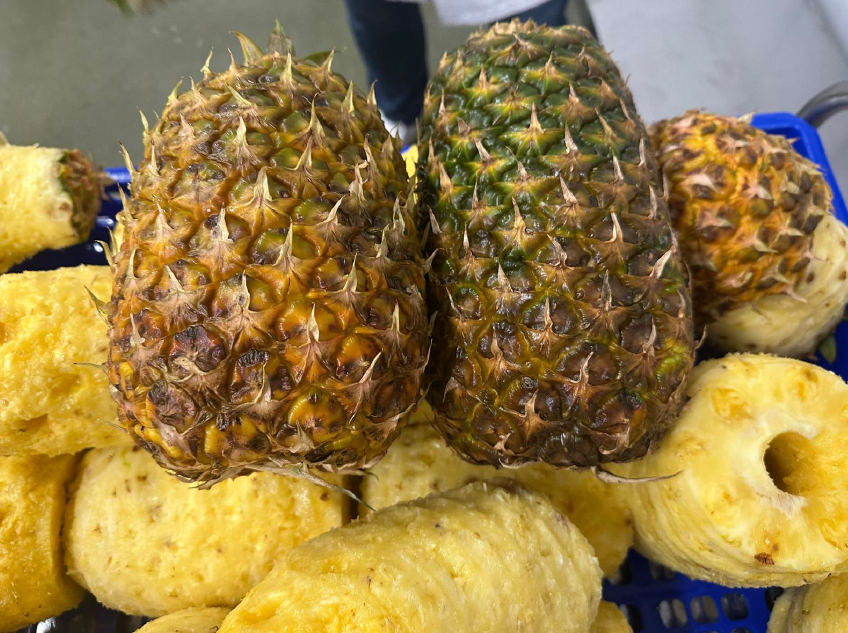
Last week, a client reached out to Recoupex. He had ordered nine containers of pineapples from a new supplier in Costa Rica, destined for Chile.
The terms seemed standard enough: 60% upfront and 40% on arrival.
Fernando paid the advance, expecting his cargo to ship shortly after.
The result?
-
No containers shipped.
-
No tracking numbers.
-
No shipping documents.
-
Total silence.
Fernando didn’t just lose a shipment; he lost a six-figure investment. This wasn’t “bad luck”—it was a failure in supplier vetting. In the world of global trade, verification is the only thing that protects your bottom line.
Here is how you can avoid “The Fernando Trap” and secure your supply chain.
1. Start Small: The Trial Shipment
If you are working with a new partner, never start with a high-volume order. Volume is earned; trust is built over time.
A single-container trial shipment is your best diagnostic tool. It allows you to test:
-
Timelines: Do they ship when they say they will?
-
Documentation: Is the Bill of Lading (B/L) and Commercial Invoice accurate?
-
Quality: Does the physical cargo match the description?
If a supplier pressures you to “go big” on the first deal, consider it a major red flag. Real professionals understand that trust takes time.
2. Control the Money: Payment Security
Sending a 60% wire transfer to an unproven partner is the biggest risk an importer can take. Trusted suppliers are usually open to financial transparency. To protect your capital, consider these secure payment methods:
-
Letter of Credit (L/C): The bank only releases funds when shipping documents are presented.
-
Escrow Services: Funds are held by a neutral third party until the goods are verified.
-
Documentary Collection: Payments are handled through banks once the shipping docs arrive.
If a supplier insists on direct wire transfers only for large advances, proceed with extreme caution. Fraudsters love wires because they are nearly impossible to recover once sent.
3. Demand Proof of Loading and Condition
In the digital age, there is no excuse for a lack of visual evidence. You should never authorize payment without seeing exactly what is going into the container. Demand the following:
-
Timestamped Photos: Images of the goods during the “stuffing” (loading) process.
-
Seal Numbers: Clear photos of the container seal and the container number.
-
Compliance Docs: Pre-cooling records, harvest dates, and export permits that match the booking.
If a supplier sends blurry photos or makes excuses about why they can’t show you the loading process, do not send the money.
4. Use Detailed Documentation as a Filter
Clear instructions scare away bad actors. Don’t just rely on a simple Commercial Invoice. Put every requirement in writing, including:
-
Precise quality standards.
-
Specific pre-shipment inspection requirements.
-
A strict protocol for container loading.
The moment you demand high levels of compliance and evidence, “weak” or fraudulent suppliers usually disappear. Legitimate exporters will respect your professionalism and attention to detail.
The Bottom Line
Fernando didn’t lose his money because the shipping industry is “risky”. He lost it because his due diligence failed.
International trade does not reward faith; it rewards verification. Vetting your supplier isn’t just an extra step—it is your primary defense against fraud and financial loss.