Trust is not a payment guarantee.

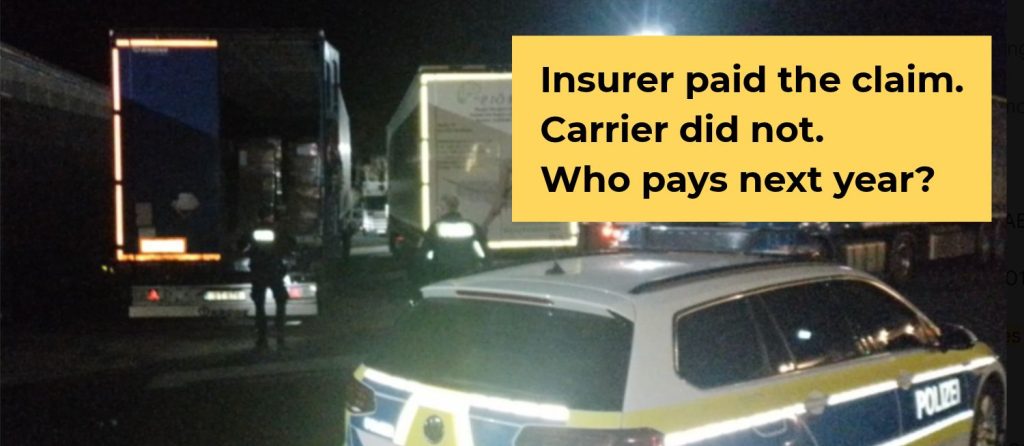
Insurer paid the claim. Carrier did not. Who pays next year?
October 30, 2026
An exporter shipped 15 containers of bananas from Guayaquil, Ecuador to Constanta, Romania.
100% payment due ten days after discharge. Freight collect, under the buyer’s rate agreement.
A familiar buyer. An established relationship. Business as usual.
Then, two weeks before ETA, the excuses started:
- “The war in Ukraine.”
- “I have no money. Find another buyer.”
- “I never asked you to ship.”
- “I never booked these containers.”
Apparently, the buyer’s memory of a long and glorious friendship had a shorter shelf life than the bananas.
Two and a half months later
The cargo is still sitting at port. No payment. Detention and demurrage growing every day. The carrier sent the buyer two reminders. Then it came after the exporter. The buyer’s freight agreement became the exporter’s problem.
This is not a one-off. Recently we are seeing more cases like this at Recoupex. These are not scammers placing suspicious orders. They are familiar buyers walking away from cargo.
The exporter ends up with neither the payment nor a clean exit. Just an unpaid invoice and a growing port bill. Exporters lose money twice: first when the buyer refuses the cargo, and again when they are left to pay for it.
Why does the carrier come after the exporter?
Because the exporter is usually the one named on the bill of lading as shipper. Under the carrier’s terms, the shipper can be held responsible for charges when the consignee does not take delivery, even if a separate rate agreement with the buyer was behind the booking.
Who is ultimately liable depends on the bill of lading terms, the freight agreement and the applicable law. But one thing is almost always true: once the carrier is not being paid, it will look for someone who will pay.
And the clock is not on your side. Reefer cargo is perishable, and every extra day at port means more charges and less value left in the cargo.
How do you prevent a similar mess in your business?
1. Don’t let trust replace payment security.
A long relationship is not a guarantee. For larger or riskier shipments, consider a letter of credit, partial advance payment, or trade credit insurance instead of paying on open terms alone.
2. Control the documents until you are paid.
Be careful about releasing original bills of lading, switching to a seaway bill, or agreeing to telex release before payment is secured. Whoever controls the release of the cargo controls your leverage.
3. Read who is liable under the freight arrangement.
“Freight collect, under the buyer’s rate agreement” sounds like the buyer’s responsibility. Check what the bill of lading and the carrier’s terms say about the shipper’s liability if the buyer refuses the cargo.
4. Watch the warning signs before the vessel arrives.
A buyer who suddenly questions the order, delays confirmations or goes silent shortly before ETA is telling you something. Don’t wait for the notice of arrival.
5. Act early when something changes.
Talk to the carrier before free time runs out. Ask what your options are, get everything in writing, and look for an alternative buyer or a plan for the cargo while it still has value.
6. Keep your correspondence.
Booking confirmation, purchase order, emails, rate agreement, bill of lading, invoices. When a buyer says “I never booked these containers,” documents are your answer.
Final thought
A good business relationship is valuable. It is just not a payment guarantee, and it will not stop the carrier from sending the invoice to you.
If a buyer has walked away from your cargo and the costs are landing on you, don’t assume the loss is final. Whether it can be recovered depends on the circumstances, but it is worth checking before the port bill grows further.
Check if your cargo loss is recoverable with Recoupex. No win. No fee.