
Cargo Risks Just Doubled. If You Don’t Insure, You Need This Playbook.

5 Steps to Recover Cargo Claims Without a Data Logger
September 12, 2025
Carrier Trust Index 2025
January 16, 2026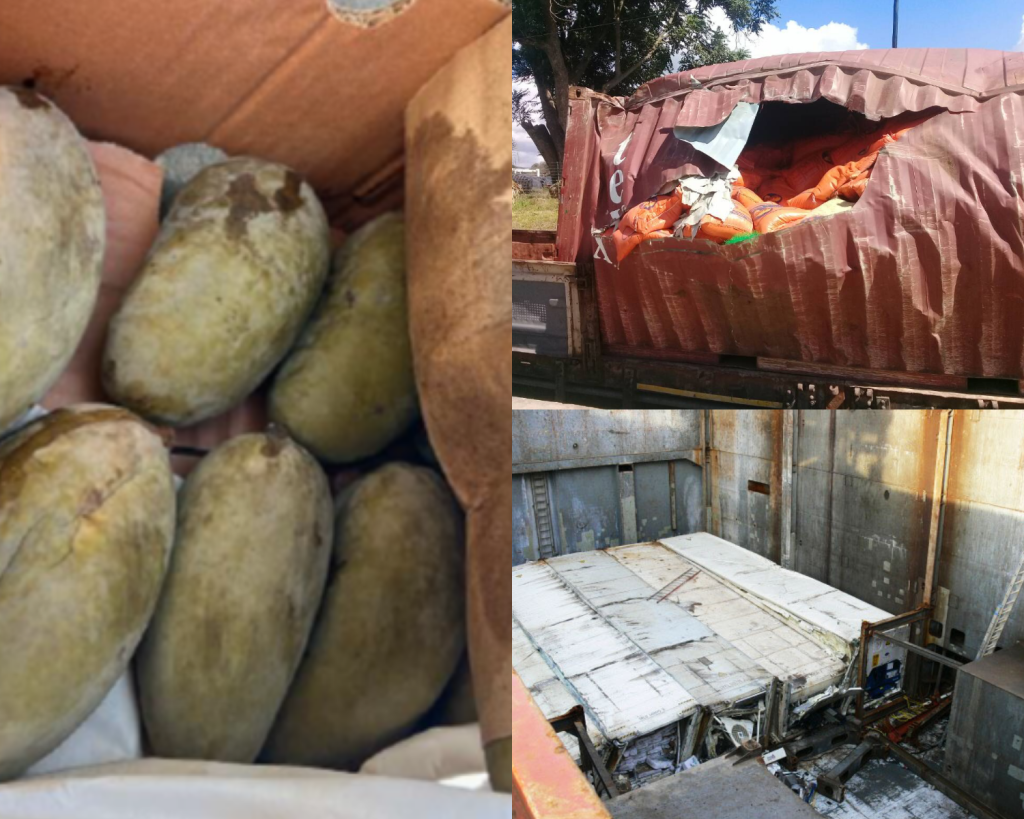
IUMI published the Global Marine Insurance Report. If you’re insuring and exporting fresh produce or higher value goods in 2025, you’ve probably noticed the same thing everyone else is whispering about at trade shows: shipping is getting riskier, and cargo insurance premiums are going up fast.
The latest IUMI 2025 Global Marine Insurance Report confirms what exporters are already experiencing on the ground: the global risk landscape is tightening, and insurers are adjusting their prices accordingly.
But here’s the important part — especially for exporters who choose not to insure:
Higher premiums don’t reduce your risk.
They just make it more expensive to transport the goods.
So if you do not insure your cargo or rely on recovery from carriers (which many exporters do), 2025 is the year to double down on loss prevention, documentation, and faster claim actions. Here are five takeaways exporters should not ignore:
1. Cargo values are higher — and so is your exposure.
IUMI reports that global cargo premiums increased to USD 22.64 billion, partly because cargo values themselves have risen year after year. For exporters, this means one thing: Every container now carries more financial risk than before.
The higher the value, the higher the stakes of a delay, temperature deviation, or damage event.
If you don’t insure, you absolutely must document cargo condition at origin and destination meticulously, have SOPs, and take pictures to secure recovery from the carrier when cargo is damaged in transit.
2. Geopolitical disruptions are now routine, not exceptional.
Red Sea, re-routing, sanctions, port strikes — these aren’t rare events anymore. IUMI highlights geopolitical instability as one of the strongest drivers of risk and cost globally.
Longer routes =
- More temperature fluctuations
- More transshipments
- More opportunities for mishandling or off-power events
If you skip insurance, you need stronger SOPs: pre-shipment checks, data loggers, and immediate notice to carriers when cargo deviates from expected conditions.
3. Fires and storage incidents remain a major cause of losses.
According to IUMI, 71% of all storage-related losses come from fires/explosions, and vessel fires are still one of the biggest threats at sea.
For exporters, the takeaway is simple: You can’t control the vessel, but you can control your paper trail.
4. Regional loss ratios matter — and affect your claim fights.
The report shows U.S. cargo loss ratios spiking to around 70%, driven by poor-performing companies.
High-loss regions mean two things for exporters:
Shipping lines become more defensive
Claims get pushed back harder
If you don’t insure, you must be prepared for tougher negotiations, more rejections, and stricter deadlines. Missing key claim documents can cost you the entire recovery.
5. New and emerging risks are outpacing old systems.
Aging vessels (average 23 years old), new fuel technologies, capacity shortages — IUMI warns the industry to expect an entirely new category of risks in the coming years. If insurers are nervous, exporters should be alert too.
This means:
more reefer failures,
more human error,
more avoidable losses, if you’re not ahead of it.
The Bottom Line for Exporters
Insurance premiums are rising because the risks are rising, and so are insurance claim rejections.
Many exporters who ship lower-value cargoes choose not to insure — and that’s a valid strategy only if your loss-prevention and claim-recovery game is strong.
In 2025, you cannot afford to be passive. You must:
-
notify carriers immediately,
-
insist on joint surveys,
-
secure all temperature and handling evidence,
-
document everything,
-
start the recovery process early on and push back hard on claim rejections.
Whether you insure or not, your cargo is moving through a riskier world.
And your best protection is being prepared, informed, and proactive.