3 Ways to Reduce Cargo Insurance Premiums in 2027

Trust is not a payment guarantee.
November 13, 2026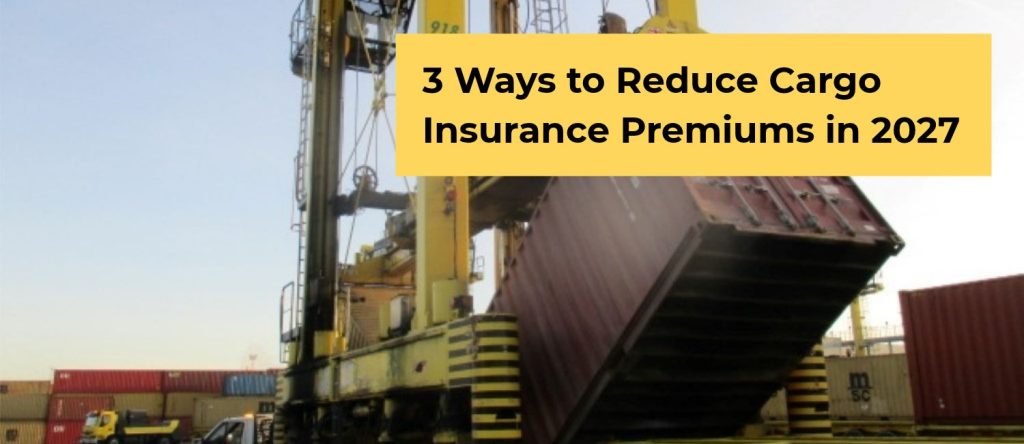
Cargo insurance renewals are approaching.
Your broker will send the quote. The premium will probably be higher. And the easy reaction is to accept it, because the cargo still has to sail.
Don’t.
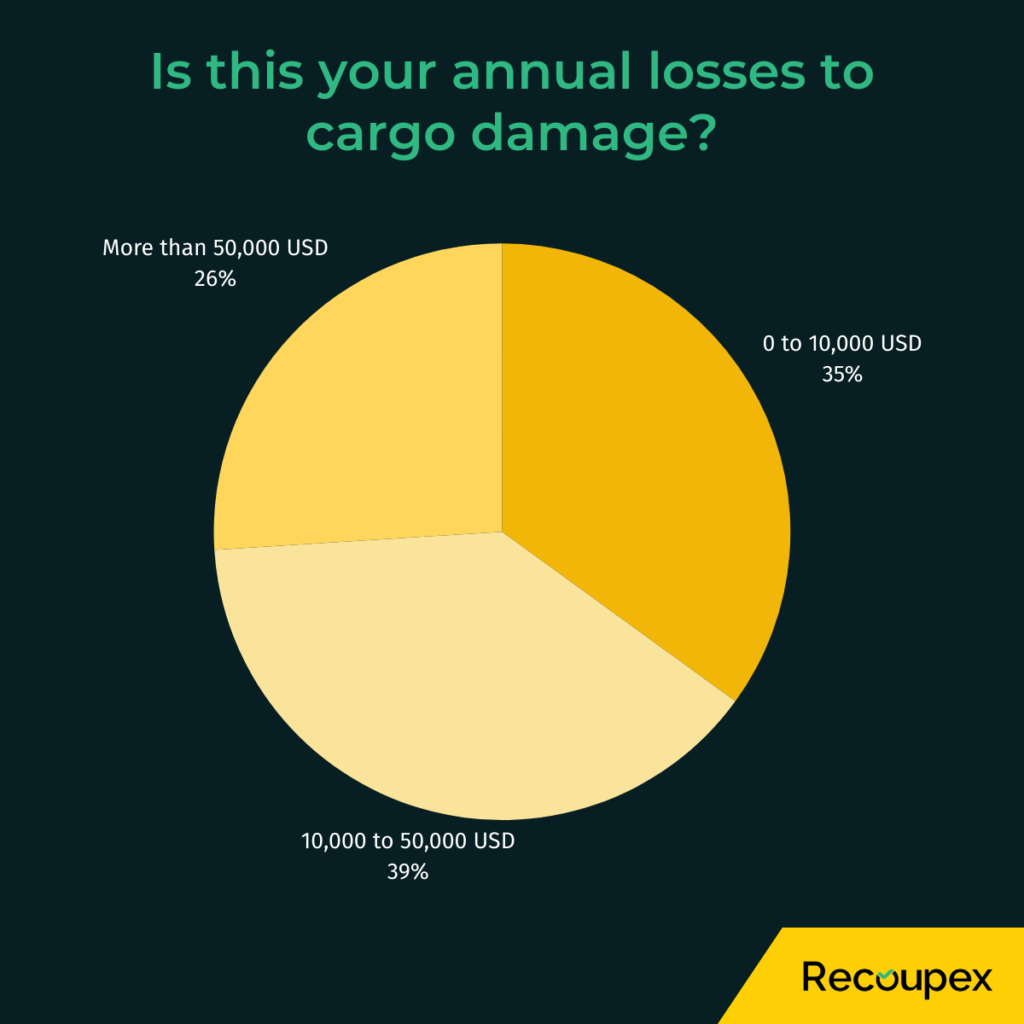
Exporters lose money twice. First when cargo is damaged. Second when they pay more to insure it and never recover what carriers owe them.
Before accepting another increase, look at these three levers.
1. Increase your deductibles
The higher the deductible, the lower the premium. Insurers charge less when you carry more of the first loss yourself.
The trade-off is simple. If a claim happens, you absorb the deductible, unless you recover it from the party that caused the loss.
That is where many exporters get it wrong. They raise the deductible and then treat every small loss as written off. It is not. A deductible is often money a carrier owes you. If the shipping line, airline or another third party is liable, the deductible can be claimed back.
A word of caution: be careful about trading cover for price. Accepting extra exclusions can also lower the premium, but each one is a gap where a loss may no longer be covered at all. Ask your broker exactly what each exclusion removes before you agree.
A higher deductible only makes sense if you have a way to recover it.
2. Eliminate double coverage
Is your cargo already insured under a warehouse policy?
Then why pay for overlapping storage cover under your marine cargo policy?
Many exporters carry both without ever comparing them. The result is two premiums for the same risk, in the same building, for the same goods.
Pull both policies and check:
- Which policy responds to cargo while it is in storage?
- Is the warehouse cover active for the full period, including pre-shipment and post-discharge storage?
- Is the storage extension in your marine policy adding cost for protection you already have?
If the answer is yes, ask to remove it. Just confirm the warehouse policy genuinely covers the same goods, values and risks before cancelling anything. Your broker should confirm in writing that no gap is created.
3. Demonstrate active loss prevention and cargo claims recovery
This is the one most exporters never use.
At your renewal meeting, don’t just tell the insurer you manage risk. Don’t present a rough year and hope the market softens once shipping through Hormuz normalises.
Show evidence.
- Documented loss prevention procedures. Loading photos, packing standards, temperature checks and inspection routines.
- Clear SOPs. Who notifies the carrier of damage, who appoints the surveyor, and how evidence is collected and kept.
- Actual recoveries. Proof that you pursue and recover losses from liable shipping lines, airlines and other parties.
That last point matters. An insurer looking at your account sees claims paid. An insurer who also sees recoveries from responsible carriers sees a client whose net loss is lower than the claims record suggests.
Your claims history, loss prevention measures and recovery performance can all strengthen your position when negotiating the renewal.
Outcome first. Premium second.
The bottom line
Premiums are not set only by the market. They are also set by how your risk looks on paper.
- Raise deductibles, but only if you can recover them.
- Remove overlapping cover you are already paying for elsewhere.
- Prove you prevent losses and recover them when carriers are liable.
Do the first two and you save on the premium. Do the third and you improve your position every year after that.
Have a loss from this year that was never recovered? Rejected by the carrier? Unclear whether anyone is liable? A rejection does not mean the carrier is right.
Check if your cargo claim qualifies with Recoupex. No win. No fee.